2026-08-20 · David Harlan
Signs Of Rodents Near The Chattahoochee River Corridor
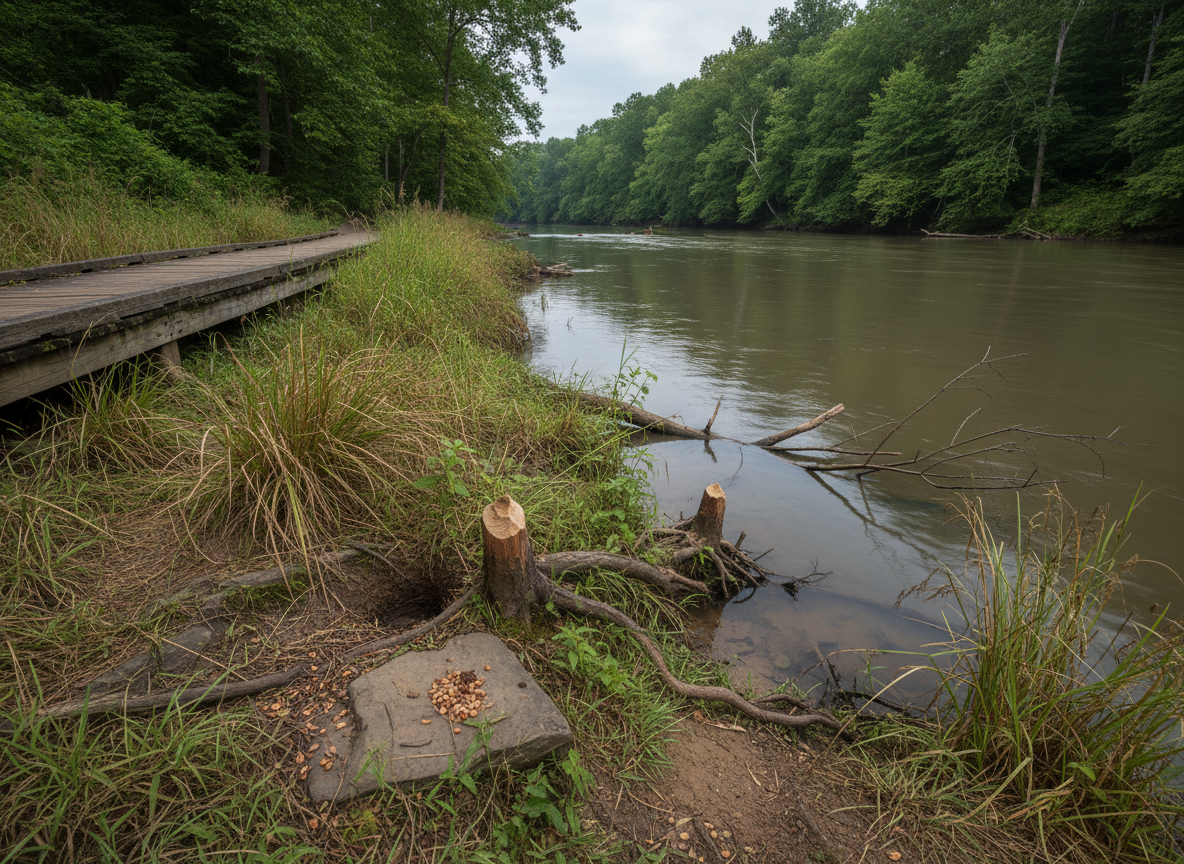
Rodents leave clear evidence in Marietta properties near the Chattahoochee River Corridor, especially in older homes with crawl spaces and attics in neighborhoods like Whitlock Heights and Forest Hills. The river supplies constant water and cover, allowing mice and rats to move easily into structures during hot summers and mild winters when activity never fully stops.
Entry Points Created by River Proximity
Properties close to the Chattahoochee often sit on terrain with dense vegetation and periodic moisture that softens soil around foundations. In Downtown Marietta and around Marietta Square, many 1940s-1960s homes have gaps at siding, utility lines, and vent covers that rodents exploit within weeks of scouting. The humid subtropical climate keeps ground soft longer, letting rats chew through wood and expand holes faster than in drier inland spots. Homeowners in Forest Hills notice new gaps after heavy rains wash away debris that once blocked access. Checking these spots monthly prevents larger colonies from forming in attics or wall voids.
Droppings and Urine Trails in Local Homes
Rodent droppings appear most often along baseboards, in cabinets, and near water sources in river-adjacent yards. In Cobb County homes with crawl spaces, you may find 1/8-inch rice-shaped pellets from mice or larger 1/2-inch capsules from rats clustered near pipes that draw moisture from the Chattahoochee watershed. Urine stains show as dark streaks on insulation or wood in attics, especially where summer heat drives rodents indoors for shade. These signs increase in late summer when vegetation along the river corridor dries and pushes animals toward garages and kitchens. Regular inspection under sinks and in storage areas catches problems before odors develop.
Gnaw Marks and Nesting Evidence
Gnaw marks on wires, baseboards, and stored boxes signal active rodents using the river corridor's steady food supply from nearby parks like Glover Park. In older Marietta homes, rats often target electrical lines in attics, creating fire risks over 8-12 weeks of chewing. Nesting material such as shredded insulation or leaves shows up in wall voids and behind appliances, particularly in Whitlock Heights properties with mature landscaping that connects directly to river greenways. Mild winters allow nesting to continue through January, unlike colder regions where activity drops. Spotting these signs early lets owners address entry before litters reach 6-8 pups.
Sounds and Seasonal Patterns
Scratching or scurrying in ceilings and walls after dark points to rodents traveling from the Chattahoochee riverbanks into Marietta attics. Activity peaks during hot summer nights when temperatures stay above 80 degrees, driving animals inside for cooler shelter. In neighborhoods like Forest Hills, residents hear more noise in fall as rodents stockpile food before any brief cold snaps. The county's mild winters mean these sounds rarely pause completely, unlike northern climates. Listening at dusk near known entry points helps confirm presence without traps.
Professional rodent removal combined with rodent proofing stops recurring issues in river corridor homes. See our guide on average costs for rodent removal in Marietta Georgia and the fall rodent proofing checklist for Marietta properties for seasonal steps. Call Mon–Fri 8am–6pm or Sat 9am–2pm to schedule an inspection.