2026-08-20 · David Harlan
What Marietta Homeowners Should Know About Roof Rats
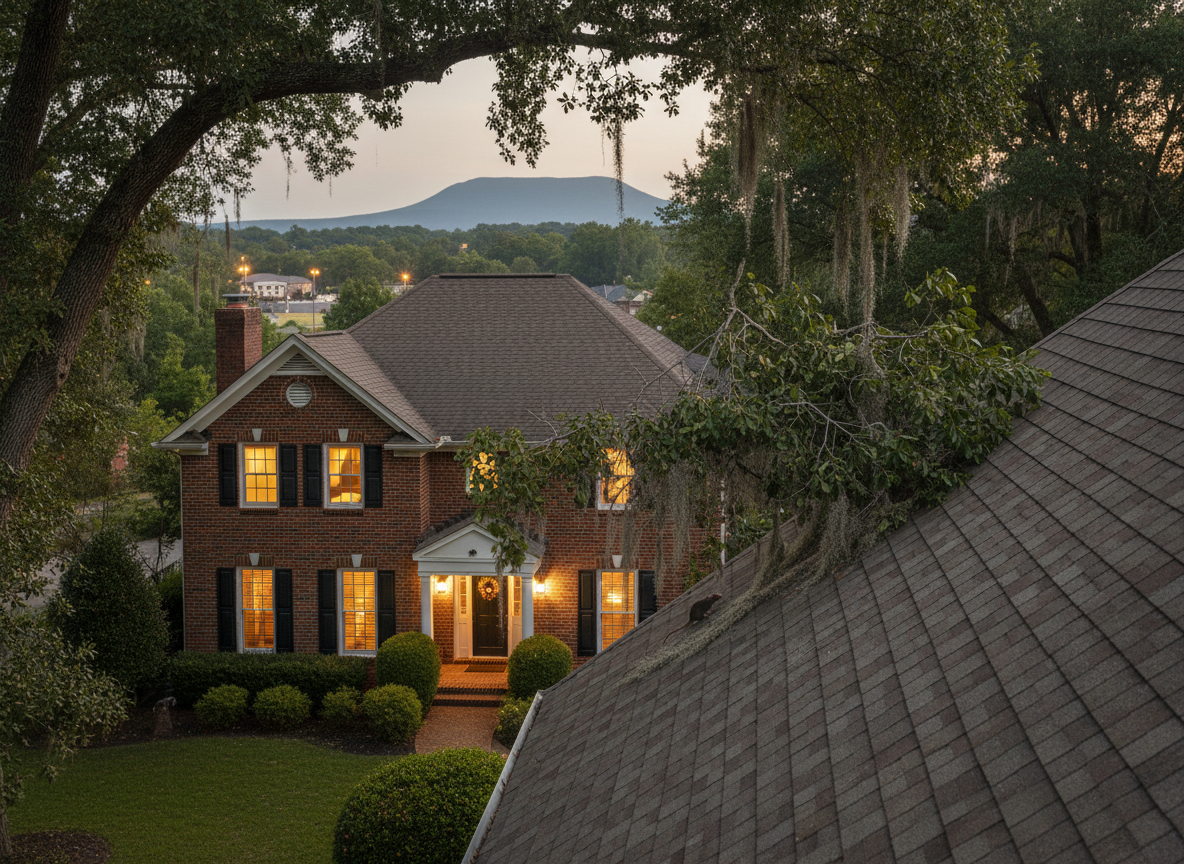
Roof rats enter Marietta homes primarily through roofline gaps and attic vents, taking advantage of the mild winters that let populations stay active year-round rather than retreating with hard freezes.
Identifying Roof Rats in Marietta Homes
Homeowners in neighborhoods such as Whitlock Heights and Forest Hills often notice roof rats first by the sound of scratching in ceilings during evening hours. These rodents measure 6–8 inches in body length with tails longer than their bodies, distinguishing them from Norway rats that stay closer to ground level. Dark droppings about 1/2 inch long with pointed ends appear along attic beams or near stored items. In homes near Marietta Square and Glover Park, where older construction includes more roof penetrations, residents also report chewed wiring and insulation. Tracking these signs early prevents larger infestations that spread into living spaces.
Why Roof Rats Thrive in Cobb County
Cobb County's humid subtropical climate with hot summers and mild winters creates ideal conditions for roof rats to breed continuously. Temperatures rarely drop low enough to limit reproduction, so litters of 6–8 pups can appear multiple times each year. Dense tree cover around properties in Downtown Marietta and near Kennesaw Mountain provides travel routes along power lines and branches directly onto roofs. Fruit trees and bird feeders common in Forest Hills supply steady food sources that keep rats from needing to forage far. The combination of shelter, food, and stable weather means populations build faster here than in drier or colder regions.
Common Entry Points in Local Housing Stock
Many Marietta homes built before 1980 feature loose soffits, unsealed vents, and aging roof flashing that roof rats exploit within minutes of reaching a structure. Properties in Whitlock Heights often have mature oaks whose limbs touch eaves, creating natural bridges. Gaps as small as 1/2 inch around plumbing stacks or chimney flashing allow entry in single-story ranches common throughout the area. Residents near Glover Park report rats traveling across connected garages and utility lines. Checking these spots twice a year, especially after storms that loosen materials, reduces access before nesting begins.
Practical Steps to Reduce Roof Rat Activity
Trim tree limbs at least 6 feet from roof edges and remove fallen fruit promptly to cut food and travel routes. Store bird seed in metal containers and clean spillage daily. Seal attic vents with 1/4-inch hardware cloth and replace damaged flashing around pipes. Homeowners in Smyrna and nearby Rosemont facing similar issues can follow the same steps. For detailed seasonal guidance, review the Fall Rodent Proofing Checklist For Marietta Properties. These measures address the specific pressures created by local terrain and weather patterns.
When Professional Rodent Removal Becomes Necessary
When scratching continues after basic sealing or droppings appear in multiple attic sections, professional inspection is warranted. Technicians can locate hidden nests behind insulation and install targeted exclusion that matches the home's construction. For properties requiring attic work, see details on Attic Rodent Removal and Roof Rodent Control. Readers wanting cost context can consult Average Costs For Rodent Removal In Marietta Georgia. Rodent Control Marietta operates Monday–Friday 8am–6pm and Saturday 9am–2pm to schedule assessments.